

Flooring is one of the most impactful investments you will ever make in your home. Unlike wall paint or window drapes, changing out your floors requires careful planning, significant budgeting, and professional installation. Because flooring isn't something you replace frequently, getting the decision right on your first try is critical to long-term satisfaction and real estate value.
Selecting the perfect surface involves balancing daily practical demands with architectural style, maintenance expectations, and total project costs. By taking a systematic approach to your selection, you ensure that your new floors perform flawlessly while elevating your home's aesthetic.
Step 1: Analyze Your Household Lifestyle and Room Needs
Before falling in love with a specific color or pattern, assess how your household actually uses the space. Every room places unique demands on flooring, and matching material performance to room conditions is the key to longevity.
Room-Specific Considerations
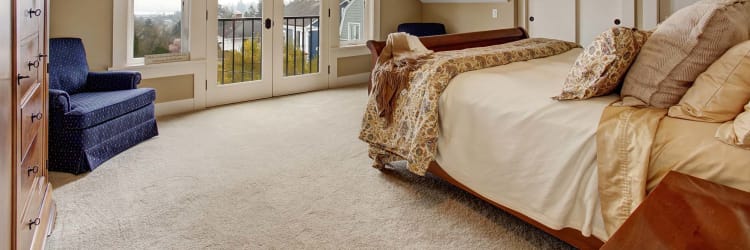
High-moisture zones like kitchens, bathrooms, laundry rooms, and mudrooms demand 100% waterproof materials such as Luxury Vinyl Plank (LVP) or porcelain tile. For bedrooms, nurseries, and formal living areas, soft plush carpeting or hardwood with custom area rugs provides essential thermal comfort and quiet acoustics.
Household Traffic Demands
Consider foot traffic patterns, daylight exposure, and potential wear factors. Do you have young children dropping heavy toys? Are large pets running through the halls? Does the room receive direct sunlight that could fade sensitive finishes? Identifying these variables early helps narrow your material options quickly.
Budget Planning Beyond the Surface Price
A realistic flooring budget must cover more than just the cost of the raw planks, tiles, or carpet rolls. Ensure your budget accounts for comprehensive project expenses, including:
Existing floor removal and disposal
Subfloor repairs and leveling
Specialty underlayments, sound barriers, or moisture vapor membranes
Adhesives, grout, transition strips, and trim moldings
Professional delivery and precision installation services
Step 2: Align Flooring Styles with Your Architectural Decor
Your new floor covering should complement your home's overarching architectural character rather than clash with it. While contrasting textures can add visual interest, drastic style mismatches can interrupt visual flow and make rooms feel disconnected.
Harmonizing Colors and Patterns
If your home features traditional woodwork and warm wall tones, rich oak, hickory, or warm neutral carpeting creates an inviting atmosphere. For modern or industrial spaces, wide-plank gray-toned vinyl, polished concrete-look tile, or crisp low-profile carpet loops emphasize clean visual lines.
Long-Term Maintenance Preferences
Be honest about the time you want to spend cleaning. High-gloss dark hardwoods look magnificent, but they reveal dust, footprints, and pet hair far faster than matte or wire-brushed finishes. Similarly, intricate grout lines on small bathroom tiles require more scrubbing than large-format tiles or seamless vinyl planks. Choose a maintenance level that fits your daily routine.
Step 3: The Critical Role of Professional Installation
Even the highest-grade flooring material will fail prematurely if installed on an uneven subfloor or laid without proper expansion gaps and moisture testing. Professional installation guarantees that your manufacturer warranties remain valid and that your surface looks like a true centerpiece.
Our team brings nearly five decades of hands-on expertise, specialized tools, and local service to homeowners across Franklin, Nashville, Murfreesboro, Spring Hill, Green Hills, and Mt. Juliet.
Making an informed choice for your home starts with expert guidance. Learn more about our family business and community values by visiting our About Us page, or come see us at our Franklin location or schedule a mobile shop-at-home visit to view samples directly in your home lighting today!


