

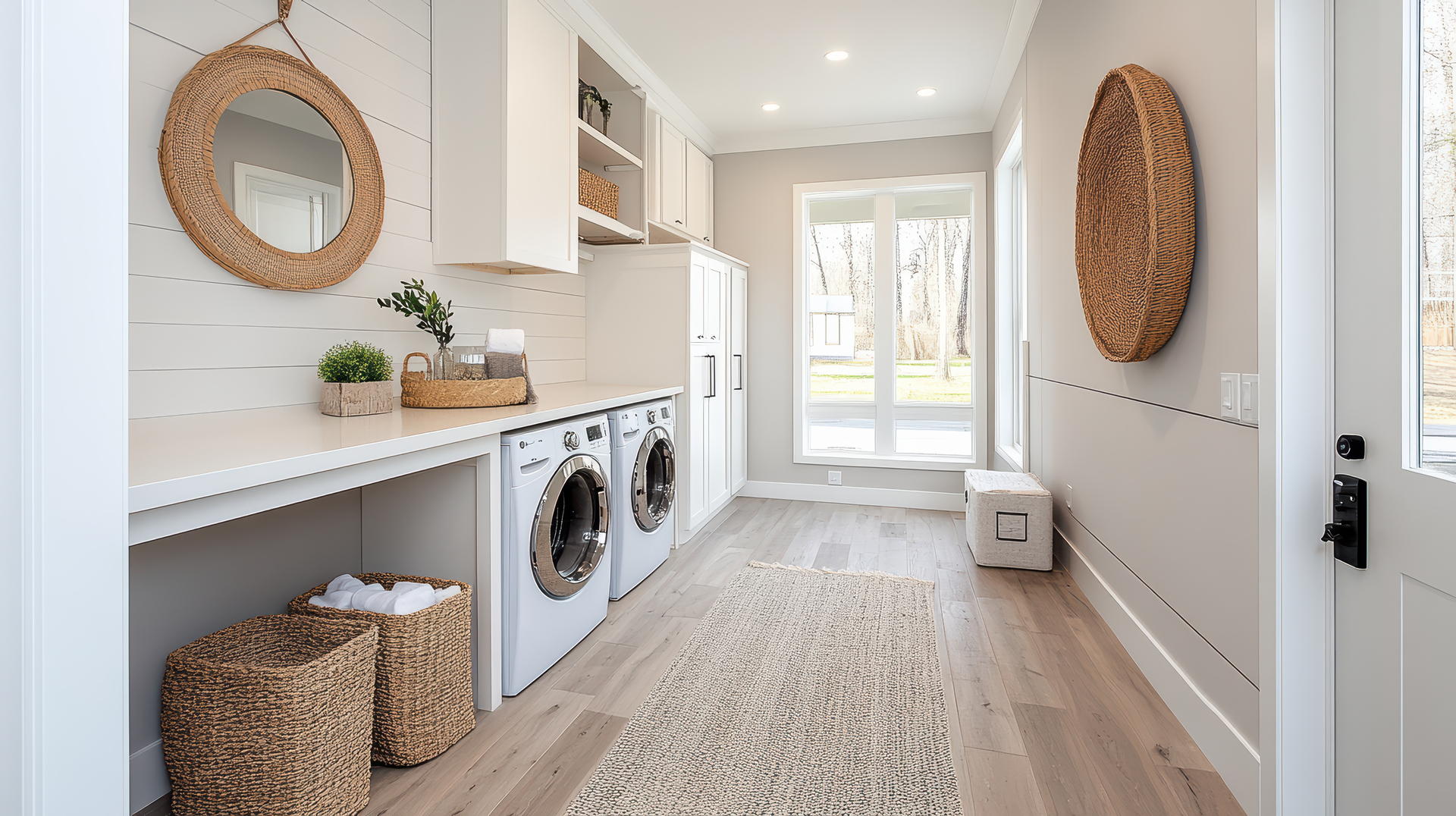
Moisture is one of the biggest concerns when selecting new flooring, especially in kitchens, laundry rooms, entryways, and finished basements. Laminate has evolved significantly over the years, and today’s homeowners often find themselves comparing waterproof laminate and water-resistant laminate. While these two terms may sound similar, they perform very differently in real-life situations.
Understanding the distinction can help ensure the right investment for each space and lifestyle.
Moisture protection isn’t one-size-fits-all
Traditional laminate flooring is made with a fiberboard core, a photographic design layer, and a protective wear layer. The core is typically the most vulnerable component when exposed to water.
Water-resistant laminate is engineered to slow down moisture penetration. The surface layer and locking system are designed to repel spills for a limited amount of time. In most cases, this gives enough flexibility to wipe up everyday accidents before damage occurs.
Waterproof laminate, on the other hand, is built with a specially treated or alternative core that prevents water from soaking through. When properly installed, it can withstand standing water for extended periods without swelling, warping, or separating at the seams.
Everyday spills versus standing water
The strength of water-resistant laminate
Water-resistant laminate is ideal for spaces where moisture exposure is occasional and manageable. Think dining rooms, living rooms, hallways, or even bedrooms where spills are quickly cleaned.
In a busy Middle Tennessee home, this option offers peace of mind for minor accidents, such as a tipped glass or tracked-in rain. However, if water is left sitting on the surface too long, it can seep into the seams and eventually reach the core.
This is often more than enough protection for many areas of the home, especially when paired with proper maintenance and prompt cleanup.
When waterproof laminate makes more sense
Waterproof laminate is a stronger solution for rooms that face higher moisture risks. Kitchens, laundry rooms, mudrooms, and finished basements often benefit from flooring that can handle more than just quick spills.
If an appliance leaks or a sink overflows, waterproof laminate is designed to resist deeper structural damage. The locking system is tightly engineered, and the core material won’t absorb water the way traditional fiberboard does.
For homeowners exploring modern alternatives, reviewing the options available under laminate flooring can provide clarity on which construction best fits each room’s demands.
Construction differences that matter
The core makes the difference
The most important distinction between waterproof and water-resistant laminate lies in the core material.
Water-resistant laminate typically uses high-density fiberboard with a moisture-repelling coating. Waterproof laminate often features a treated wood-based core or a composite material that resists water penetration entirely.
This difference determines whether the floor can handle prolonged exposure or only short-term surface moisture.
Seam technology and locking systems
Modern laminate products rely on precision locking systems. In water-resistant versions, these seams are tight but still vulnerable if exposed to standing water for long periods.
Waterproof laminate incorporates enhanced joint technology that seals planks more effectively. When professionally installed, these systems help create a surface that prevents moisture from slipping between boards.
Proper installation is critical for both options. Even the best waterproof product can fail if gaps are left along edges or transitions.
Style, comfort, and performance
Design versatility remains consistent
Both waterproof and water-resistant laminate offer realistic wood visuals, textured finishes, and a range of plank sizes. Today’s designs replicate hardwood so convincingly that many homeowners struggle to tell the difference at first glance.
Those comparing surfaces often explore multiple categories side by side, including options found within hardwood flooring collections, to determine which look and performance combination aligns best with their home.
Laminate continues to be valued for its scratch resistance, easy maintenance, and comfortable feel underfoot.
Durability beyond moisture resistance
While moisture protection is the headline feature, laminate flooring also stands out for its wear layer. Waterproof and water-resistant products typically include strong protective coatings that defend against scratches, dents, and everyday foot traffic.
In active households with pets or children, this durability is often just as important as moisture resistance.
Matching the right laminate to the right space
Choosing between waterproof and water-resistant laminate comes down to evaluating each room’s risk level and lifestyle demands.
Water-resistant laminate works beautifully in low- to moderate-moisture areas where spills are occasional and promptly cleaned. Waterproof laminate is better suited for spaces prone to higher humidity, appliance leaks, or frequent wet conditions.
A thoughtful room-by-room approach ensures both performance and long-term value.
Connect with Franklin’s trusted flooring experts
For more than 46 years, our team at Carpet Den Interiors has helped families across Franklin, Nashville, Murfreesboro, Spring Hill, and Green Hills select flooring solutions tailored to their homes and lifestyles. As the number 1 flooring retailer in Tennessee with a 97% approval rating, we bring proven expertise, personalized design guidance, and full-service installation to every project. To explore waterproof and water-resistant laminate options in your home, connect with our team through our contact us page and experience the difference our flooring experts provide.


