

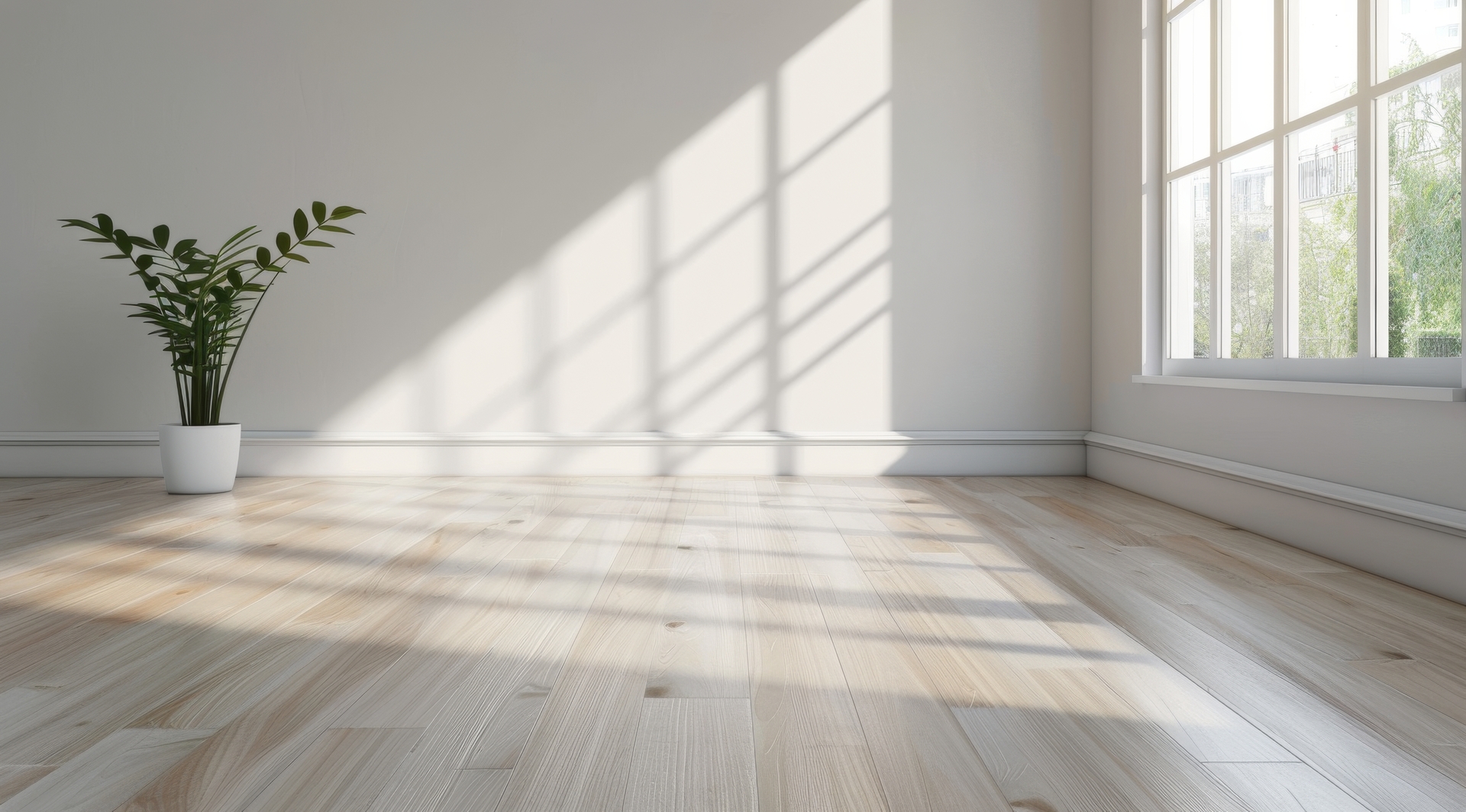
Luxury vinyl plank (LVP) flooring gives Franklin and Nashville homeowners the freedom to create a space that feels personalized, timeless, and beautifully tied together. But the secret to pulling off a cohesive design isn’t just choosing a great LVP product—it’s selecting the right color tone. Warm and cool tones influence the entire mood of a room, shaping how the light feels, how the walls read, and even how large the space appears. Understanding the difference between these tones can help create a home that feels intentional and inviting from the moment someone walks in.
What warm tones bring into your home
Warm-toned LVP features hues like honey, butterscotch, chestnut, caramel, and golden oak. These shades instantly make a room feel comforting and grounded, working especially well in homes that lean toward rustic, farmhouse, bohemian, or traditional design styles. Warm tones introduce a sense of coziness, making them a popular choice for living rooms, bedrooms, and family areas where relaxation is a priority.
Warm-toned flooring also pairs beautifully with natural textiles like jute, linen, and wool. When combined with soft lighting and earthy textures, they create a welcoming ambiance that feels naturally layered and full of character. For Tennessee homes with abundant daylight, these tones can also enhance the natural warmth that streams through the windows, giving the room a soft, sun-kissed glow.
Why cool tones are trending in modern interiors
Cool-toned LVP includes shades such as gray oak, weathered taupe, stonewash, driftwood, and ashy walnut. These tones are known for creating a clean, airy, and contemporary atmosphere. Cool tones help spaces feel calm, crisp, and pulled together, making them ideal for modern, minimalist, Scandinavian, and industrial-inspired homes.
One of the biggest advantages of cool-toned flooring is its versatility. These shades complement everything from bold jewel tones to soft neutrals. They also help visually expand smaller rooms, making cool-toned LVP a smart choice for compact areas, basements, and spaces with limited natural light. The subtle sophistication of these cool shades often creates the perfect foundation for sleek metal finishes, monochromatic palettes, and modern décor.
Exploring how warm and cool tones influence room mood
Tones aren’t just about color—they influence the emotional feel of a space. Warm tones naturally evoke familiarity and comfort, while cool tones lean toward tranquility and refinement. If a home has a lot of natural sunlight or warm artificial lighting, warm-toned LVP will enhance that glow. On the other hand, cool-toned LVP can balance out intense sunlight or brighten up spaces with cooler LED lighting.
Light also shifts throughout the day. Morning sunlight may soften a warm floor, while evening lighting can deepen its richness. Cool-toned floors might appear slightly warmer at sunrise and cooler in the afternoon. Understanding these shifts helps match the tone to the way a space is truly lived in.
Matching tones to furniture and décor
Furniture plays a major role in deciding whether warm or cool tones are the right direction. If a home features dark walnut tables, beige upholstery, or gold accents, warm-toned floors will highlight those features beautifully. Cool tones tend to pair well with charcoal furniture, white cabinetry, silver hardware, and modern lines.
If the room contains a blend of both warm and cool elements, don’t worry—LVP has plenty of mid-tone or neutral-tone options that bridge the gap. These transitional shades keep a room cohesive while allowing freedom to refresh décor over time.
How architectural style influences tone selection
The architecture of a home can naturally guide the ideal tone. Historic Tennessee homes with intricate trim or farmhouse-style layouts often shine with warm-toned floors. Homes with wide, open layouts, large windows, and clean lines tend to work better with cool-toned LVP. In split-level or multi-style homes, the tone can even shift by floor, creating subtle transitions that feel thoughtful rather than abrupt.
Practical considerations beyond color
Beyond aesthetics, tone selection can even influence upkeep. Warm-toned flooring hides dust, pet hair, and everyday wear more easily. Cool-toned floors can highlight texture beautifully but may show buildup from darker debris if not maintained regularly.
Textures and finishes also matter. Wire-brushed and matte finishes help tone—whether warm or cool—look more natural. Meanwhile, high-gloss floors reflect lighting conditions much more dramatically, so tone perception can shift throughout the day.
Creating harmony throughout the home
Whether leaning toward warm or cool tones, the goal is to create a sense of flow. Many Tennessee homeowners choose one tone family to carry throughout the main living level to maintain cohesion. Accent rooms—such as offices or guest rooms—can then introduce complementary shades that still feel connected to the overall palette.
Book a personalized shop-at-home visit for stunning warm or cool LVP options
Ultimately, the best tone for a home comes down to how someone wants the space to feel. Warm tones bring comfort and connection. Cool tones bring serenity and clarity. LVP gives the flexibility to explore both while enjoying beauty, durability, and long-lasting style.
For personalized guidance, on-site recommendations, and access to the most trusted LVP collections in Middle Tennessee, Carpet Den Interiors is here to help. As the number one flooring retailer in Tennessee with over 46 years of service and a 97% customer approval rating, our expert designers are ready to help select the perfect warm or cool LVP palette for a one-of-a-kind home. Visit our Franklin Design Gallery or schedule a shop-at-home appointment to begin your project with confidence.


