

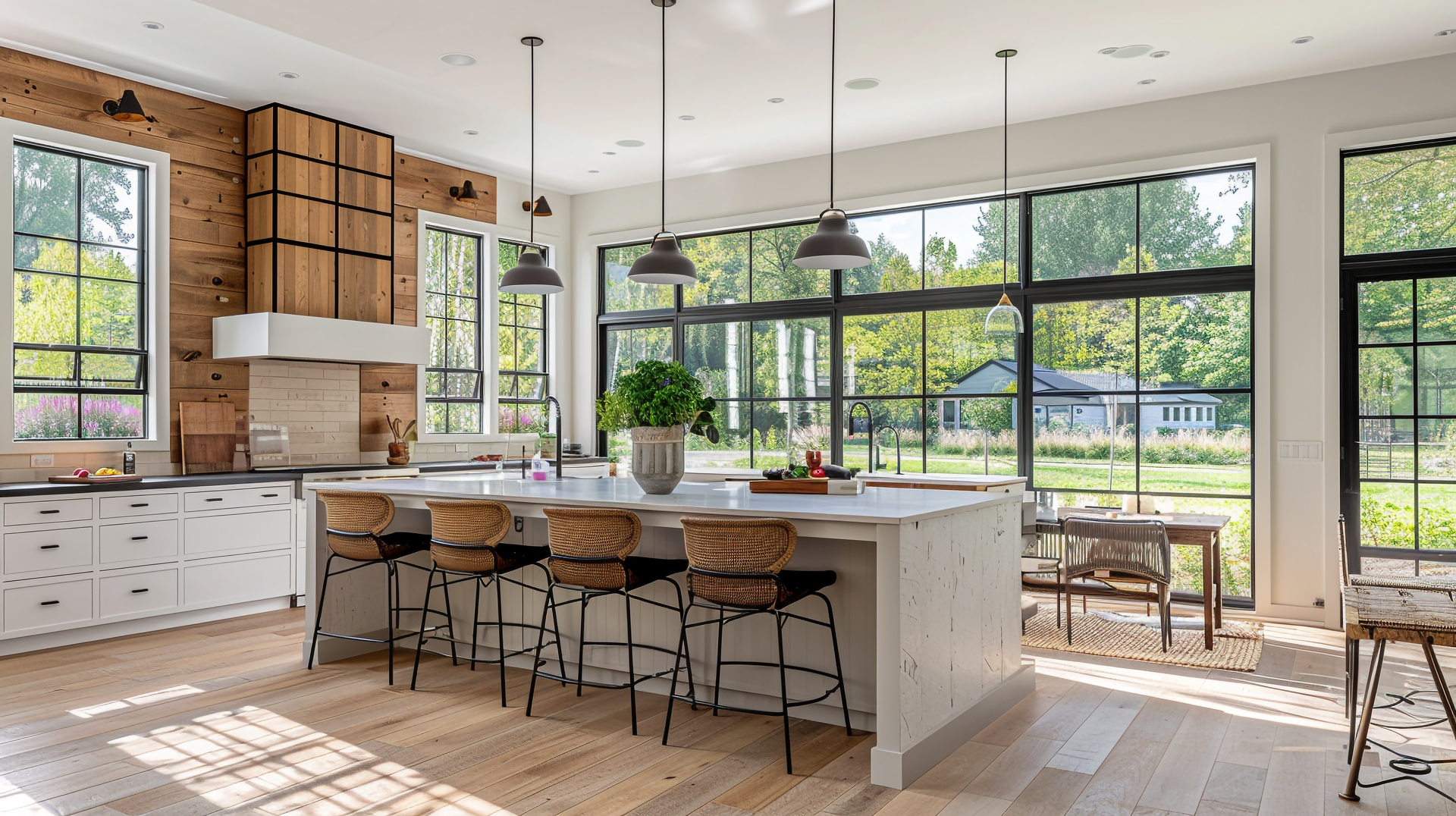
Hardwood flooring has long been celebrated for its warmth, timeless beauty, and ability to elevate the look of any room. As design trends continue blending open-concept living, homeowners in the Middle Tennessee area are increasingly curious about extending hardwood floors into their kitchens. The idea is appealing: a seamless flow from living spaces into the kitchen, a richer visual aesthetic, and a cohesive style that makes the entire home feel more refined.
But with kitchens being some of the busiest, most spill-prone rooms in the home, it’s important to consider what hardwood truly offers—and where it may require additional care. Understanding both the advantages and potential drawbacks will help families make a confident, informed choice that fits their lifestyle and long-term goals.
Design impact that gives the kitchen a richer, more welcoming feel
One of the biggest reasons homeowners love hardwood in the kitchen is the sense of character it brings. Hardwood tells a story through its grain, texture, and natural variation. In open layouts, it creates design harmony, eliminating the visual break that often occurs when switching from wood in the living area to tile or vinyl in the kitchen.
Additionally, hardwood flooring offers unmatched warmth underfoot compared to harder kitchen flooring materials. For families who spend a lot of time cooking, entertaining, or gathering in the kitchen, this softer, more welcoming feel makes a noticeable difference. Consider also the noise absorption hardwood provides—pots, pans, and footsteps sound softer and more inviting in a home with wood.
The big advantages homeowners love
A unified aesthetic throughout the home
Hardwood floors visually connect the kitchen to surrounding spaces, creating the elevated, cohesive look many homeowners want. This consistency can make smaller kitchens appear larger and more open while highlighting cabinetry and stone countertops beautifully.
Long-term durability with proper care
Quality hardwood flooring is built to last for decades. Although kitchens introduce moisture concerns, modern finishes and protective sealants have made hardwood far more resilient than it once was. With thoughtful maintenance—like wiping spills promptly and adding rugs in high-traffic zones—hardwood can maintain its beauty for years.
A strong return on investment
Few flooring materials add value to a home the way hardwood does. Buyers consistently view hardwood as a premium, long-lasting feature. Installing it in the kitchen can elevate the space, increase perceived home value, and make the property more attractive if sold in the future.
Endless design flexibility
Whether a home leans traditional, transitional, rustic, or modern, hardwood never feels out of place. Its ability to complement almost any cabinet style, wall color, or countertop choice makes it a highly versatile option—something particularly helpful in kitchens, where homeowners make many design decisions at once.
Where hardwood needs extra consideration
Moisture, spills, and daily wear
Kitchens naturally come with splashes, spills, and humidity. Hardwood is durable, but it’s still a natural material that reacts to moisture. Leaving water or cooking liquids sitting on the surface can cause warping, staining, or dullness over time.
Homeowners with busy kitchens—especially those with frequent cooking or young children—may need an intentional maintenance routine to keep hardwood looking its best.
Potential for dents and scratches
Heavier appliances, dropped utensils, and chairs sliding back and forth can introduce marks on hardwood. While certain species and finishes can minimize the appearance of scratches, kitchen activity may still leave small signs of wear.
Adding felt pads to chair legs and using cushioned mats near prep areas can help protect the floor without compromising the room’s design.
May require refinishing years down the road
One of hardwood’s strengths is its ability to be refinished, but this is also a factor homeowners must consider. Kitchens often show signs of wear sooner than other rooms. Although refinishing restores the surface beautifully, it requires time, planning, and investment.
When hardwood is the right fit—and when it isn’t
Hardwood is an excellent choice for homeowners who love the look and feel of natural flooring, prefer a unified aesthetic across rooms, and are comfortable keeping up with light routine care. It works especially well in homes where spills are cleaned quickly and kitchen traffic doesn’t push the flooring beyond its expected use.
On the other hand, families wanting a completely worry-free, moisture-proof flooring option may lean toward alternatives like waterproof luxury vinyl or tile—materials that mimic wood beautifully but come with fewer maintenance needs.
Choosing the right hardwood for a kitchen
For homeowners who decide hardwood is the ideal choice, choosing the right product makes all the difference. Engineered hardwood, wider planks, matte finishes, and harder wood species can all improve performance and minimize visible wear.
Partnering with experienced flooring professionals ensures the kitchen receives not only the right hardwood but also the right installation and protective options.
Connect with a team that brings clarity to kitchen flooring decisions
For a trusted, personalized approach to kitchen flooring, Carpet Den Interiors brings 46 years of proven expertise to homeowners across Franklin, Nashville, Murfreesboro, Spring Hill, and Green Hills. As the number 1 flooring retailer in Tennessee with a 97% customer approval rating, our flooring experts and degreed designers are ready to guide families through every step—from product selection to full-service installation. Visit Carpet Den Interiors or schedule an in-home consultation to explore hardwood options tailored to your home.


