

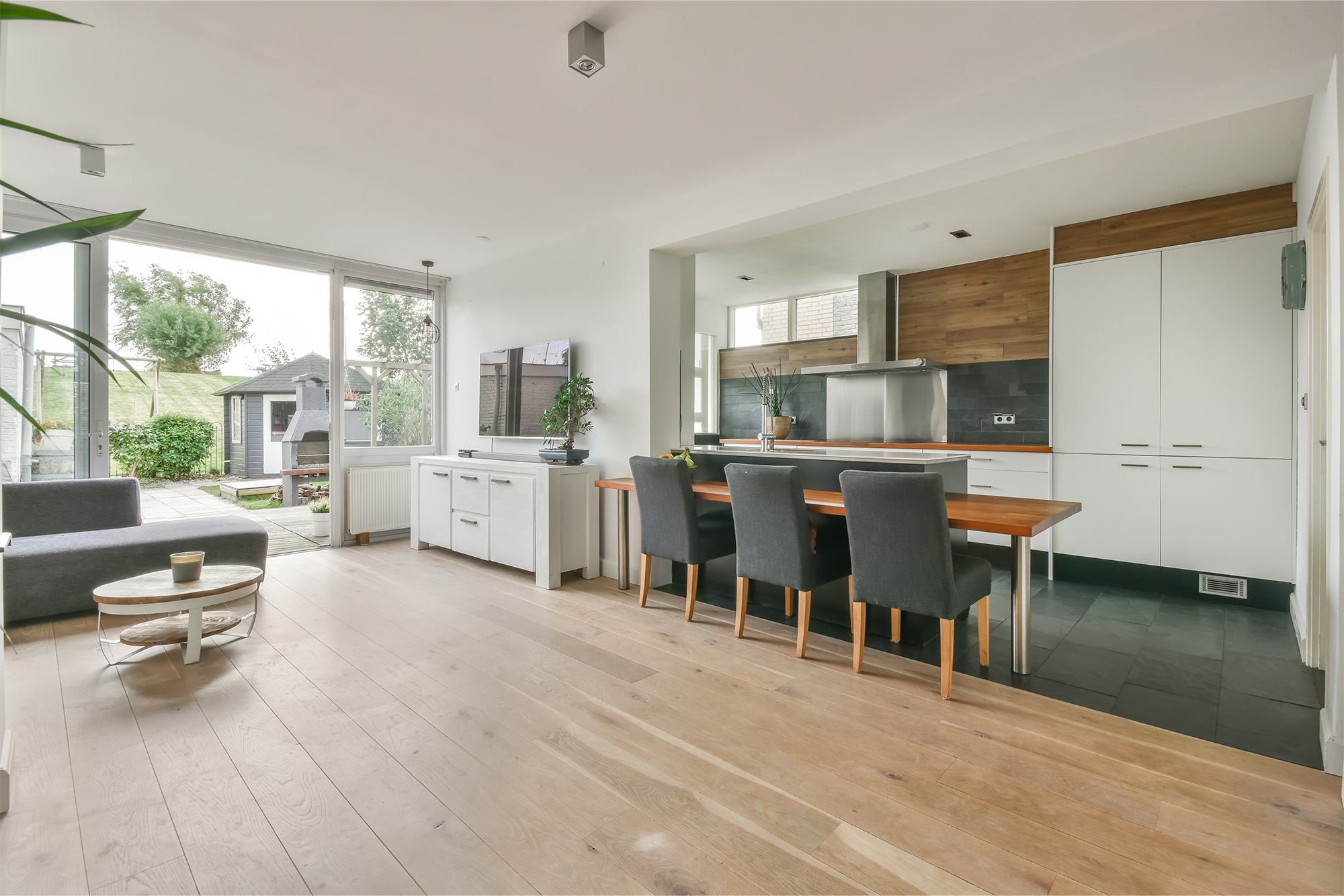
When embarking on a home improvement journey, few topics spark as much debate as the choice between natural hardwood and high-performance laminate. Both materials offer the beautiful warmth of wood grains and can completely revitalize a dated living area, but they function differently underneath the surface. Choosing between them requires weighing upfront material costs against long-term property appreciation and maintenance styles.
Understanding the internal construction, installation demands, and aging process of each surface ensures you make an investment that aligns perfectly with your budget and lifestyle expectations.
The Timeless Legacy of Real Hardwood
Solid and engineered hardwood flooring represent a premium investment in your real estate. Hardwood is one of the few building materials that actively increases the resale value of a residential property. Buyers are consistently drawn to the authenticity, unique grain patterns, and prestigious reputation of authentic wood.
The defining asset of solid hardwood is its longevity. If your floor becomes worn or scratched over fifteen years of use, it can be professionally sanded down, stained a completely new color, and resealed. This cycle can be repeated multiple times, allowing a single hardwood installation to last for generations. To understand our long-standing dedication to importing and installing premier hardwood products across Middle Tennessee, browse our background on our About Us page.
The Practical Innovation of Modern Laminate
Laminate flooring serves as an exceptionally smart option for homeowners who desire a high-end look without the corresponding price tag or maintenance routine. Rather than featuring a real wood veneer, laminate utilizes a high-definition photographic layer sealed under an incredibly tough aluminum oxide wear coat.
This surface layer makes laminate significantly more resistant to everyday dents, fading from ultraviolet sunlight, and deep scratches than traditional hardwood. However, unlike real wood, laminate cannot be sanded down or refinished if it gets deeply gouged; when a section degrades, the planks must be replaced.
Weighing Your Structural Environmental Needs
Environmental humidity also plays a major role in your choice. Natural hardwood reacts to seasonal moisture changes, expanding and contracting, which requires careful humidity control within your HVAC system. Laminate is highly stable and handles minor moisture changes with minimal shifting.
Deciding which option fits your home's architectural style and practical needs is a journey best taken with physical samples in hand. We welcome you to explore our comprehensive design gallery at our Franklin location, where our team is ready to evaluate your subfloors and help you select the ideal investment for your home.


